

The Best Plantation Shutters for Wet Areas: Bathrooms, Laundries and Kitchens
- Jul 3
- 3 min read
Plantation shutters look great in almost every room, but not every material is suited to every environment. In wet areas like bathrooms, laundries, and kitchens, the wrong choice leads to warping, swelling, mould, and a product that deteriorates well before it should.
This is one of the most common mistakes Perth homeowners make when choosing window shutters, and it's easily avoided with the right information upfront.

Why Moisture Is the Problem
Wet areas generate consistent humidity. Showers, steam from cooking, and laundry cycles push moisture into the air repeatedly over years. Window coverings in these spaces are exposed to that humidity every single day, not just occasionally.
Materials that absorb moisture will respond over time. Timber swells when it gets wet and shrinks when it dries out. Repeated cycles of expansion and contraction cause warping, cracking, and paint or stain failure. In a bathroom or laundry, that process starts earlier than most people expect.
Why uPVC Is the Right Material for Wet Areas
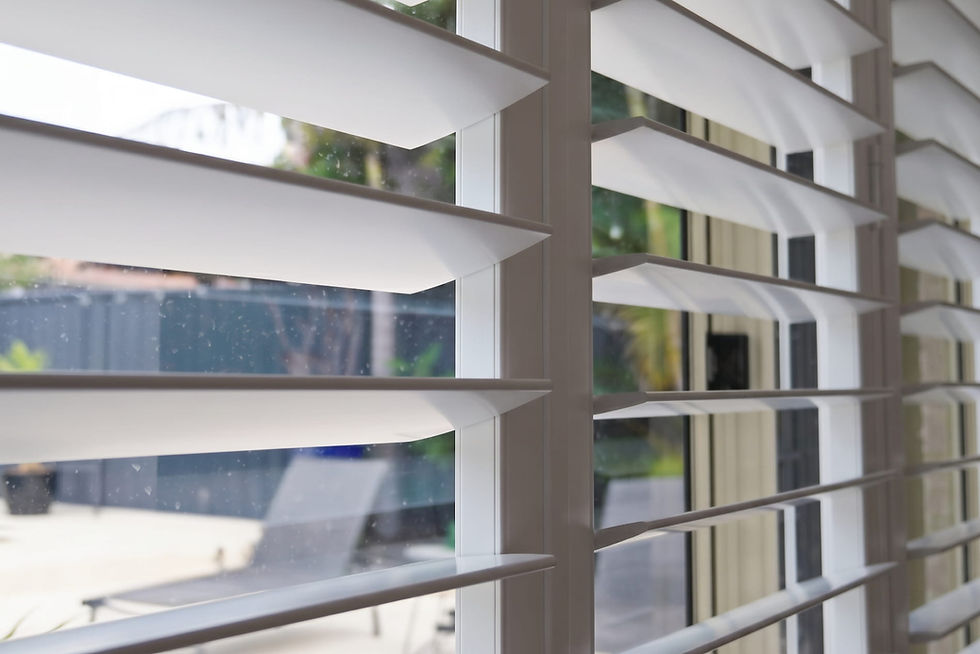
uPVC shutters Perth installers recommend for wet areas are made from a solid plastic compound that doesn't absorb moisture at all. There's no swelling, no warping, and no cracking from humidity. The material stays stable regardless of what the room throws at it.
This makes uPVC the straightforward choice for bathrooms, laundries, and kitchens. It performs consistently in high-humidity environments, requires minimal maintenance, and holds its appearance over the long term. Cleaning is simple, a wipe down with a damp cloth is usually enough, and there's no need for refinishing or sealing over time.
For plantation shutter installation Perth homeowners are investing in for these spaces, uPVC also tends to be more cost-effective than timber, which makes it a practical decision on both a performance and budget level.
What About Timber Plantation Shutters in Wet Areas?
Timber plantation shutters Perth suppliers offer are well suited to living areas, bedrooms, and dining rooms where humidity is not a factor. In those spaces, timber performs well and adds genuine warmth and character to a room.
In wet areas, it's a different story. Even treated or sealed timber will absorb some moisture over time, particularly in a heavily used bathroom or laundry. The risk of warping and finish deterioration is real, and rectifying a warped shutter means replacing it entirely. That's an avoidable cost.
If aesthetics are the priority and you're set on the look of timber, it's worth having an honest conversation with your installer about the specific conditions in your space. In some low-humidity kitchens with good ventilation, timber may be manageable. In bathrooms and laundries, it's generally not recommended.
Louvre Size and Ventilation
Beyond material, louvre size is worth considering in wet areas. Wider louvres allow more airflow when open, which helps manage moisture in the room. They're also easier to wipe down between cleans.
A good installer will factor this into the recommendation rather than defaulting to a standard size across every window in the house.
Getting the Installation Right
Even the right material performs poorly if the installation isn't done properly. In wet areas, the frame fit, fixing method, and clearance from wet surfaces all matter. A shutter that sits too close to a shower screen or bath edge will be exposed to direct water contact, which no shutter is designed to handle regardless of material.
Plantation shutter installation Perth specialists should be assessing these conditions during the measure and advising accordingly. If that conversation isn't happening, it's worth asking.
The Bottom Line
For bathrooms, laundries, and kitchens, uPVC shutters Perth are the right call. They handle the environment, they're low maintenance, and they'll last. Save timber plantation shutters for the rooms where they shine, and match the material to the space from the start.

Comments